Media is recalibrating. We see it when formerly strong community newspapers close, even their online versions. We see it when Rogers cuts radio stations in major markets. We see it in the ongoing Meta ban on news content from traditional outlets in Canada.
So, what is an organization supposed to do? Create your own newsroom.
It doesn’t need to rival the New York Times or even your local media. But it will be yours. It will give you a place to tell your stories, to show your work and to build trust long before you need it. And in a crisis, it becomes the authoritative source your community turns to. A newsroom is where you can be both playful and serious, transparent and strategic.
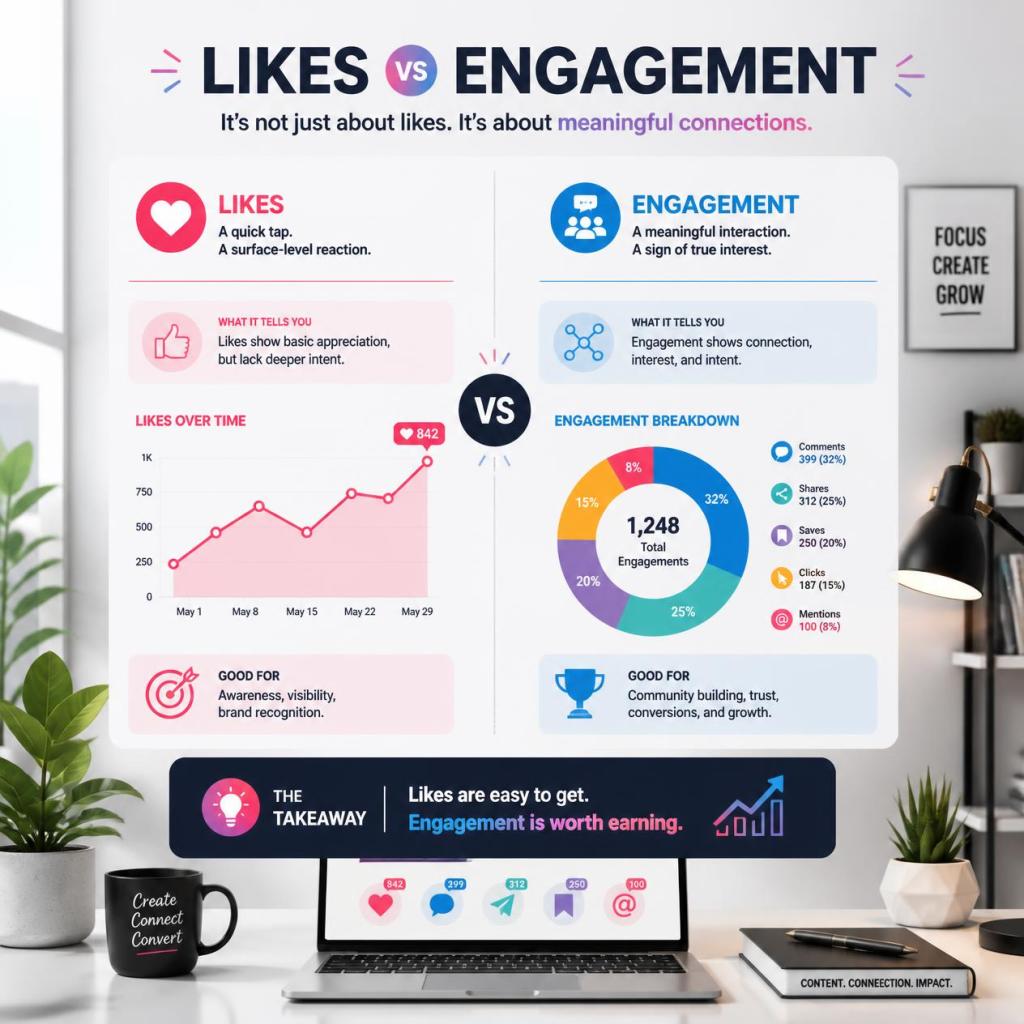
This advice works whether you’re a municipality, a non‑profit or a business. But here’s the mistake many make: Confusing likes with engagement and seeing success.
Likes are easy. They’re a quick tap of approval, a signal that someone saw your post and agreed with it. Engagement is different. Engagement means someone stopped, cared, interacted or took an action. It’s the difference between being noticed and being useful.
When likes outnumber engagement, it usually means the content was agreeable but not impactful. People liked it, but it didn’t move them. For leaders and communicators, engagement is the real metric. It tells you whether your message mattered enough for someone to do something with it.
Real engagement doesn’t happen by accident; it happens when content gives people something to do, feel, or think about. If you want engagement, you must create a moment worth stopping for. That means writing with intention.
The posts that spark conversation, get saved for later or get shared across networks are the ones that make an audience feel seen or informed. Engagement grows when your content isn’t just readable, but usable. It answers a question, reframes a problem or gives people language for something they’ve been experiencing. Likes are passive. Engagement is participatory. And participation is what builds trust, community and momentum.
Here’s the scary part: engagement can get messy.
Municipalities, in particular, face this dilemma. How do you encourage conversation without losing control? How do you invite feedback without opening the door to misinformation, frustration or conflict? The answer isn’t to avoid engagement; it’s to design for it. Set expectations. Moderate with clarity. Show up consistently. And treat your newsroom as a living space, not a bulletin board.
Because in a media landscape that’s shrinking, fragmenting, and shifting under our feet, the organizations that thrive will be the ones that build their own platforms and know how to use them. The days of sending out a news release, seeing it land on the front page and assuming everyone now understands the issue are gone.
Think of it this way: are you creating a website people simply flip through and say ‘that’s nice’ or are you giving them something closer to the old Sears Christmas Wish Book, a place where they discover things they want, linger over them and feel moved to act?
One is passive. The other is intentional, curated and built to spark engagement. In a world where traditional media reach is no longer guaranteed, your newsroom must be the place where your stories live, where your community returns and where your message becomes impossible to ignore.


Leave a Reply